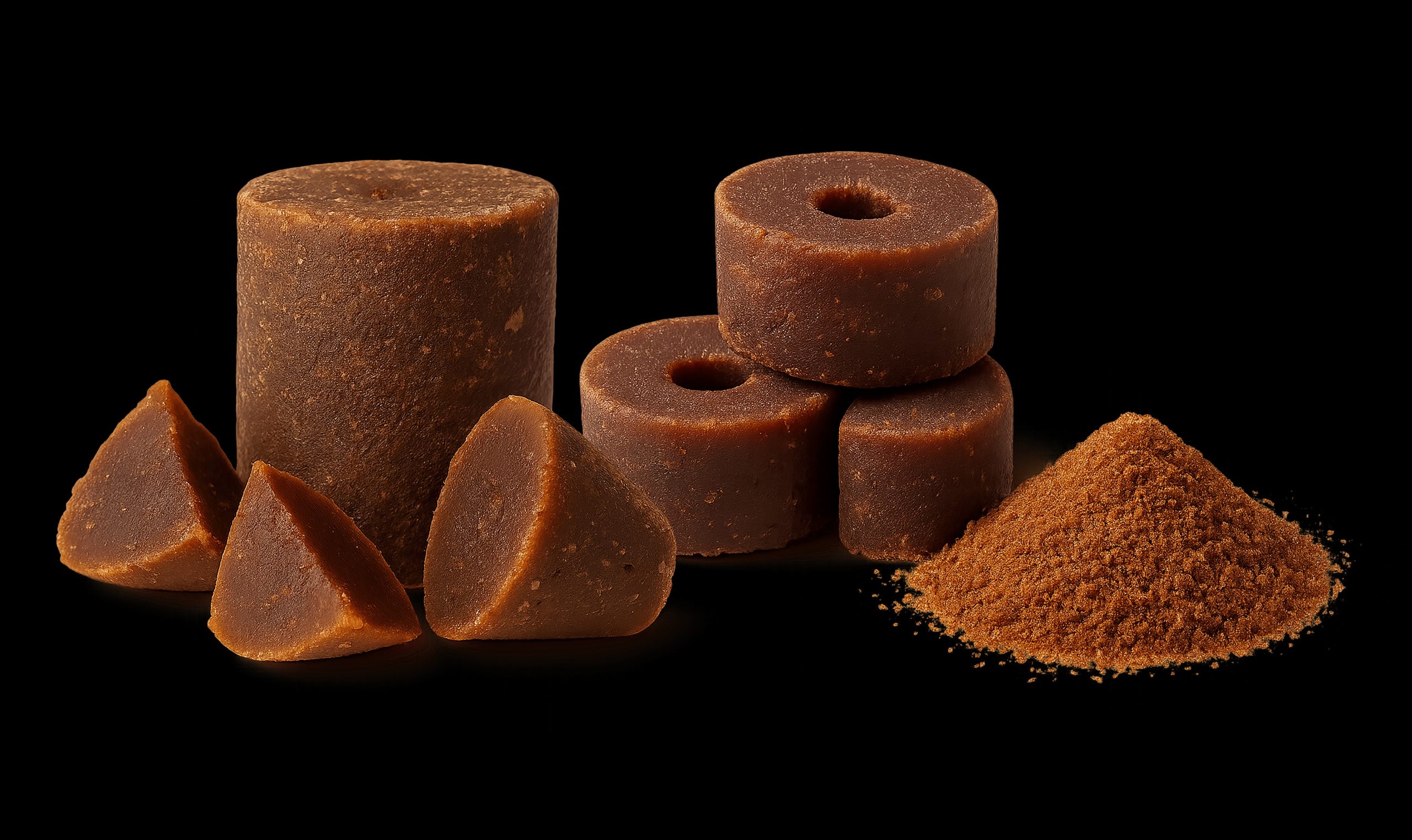
As the global demand for natural, unrefined, and low-glycemic sweeteners continues to surge, food manufacturers and specialty beverage brands are increasingly looking toward Indonesia. As the world’s epicenter for palm-derived sweeteners, Indonesia offers two highly sought-after commodities: Arenga (Aren) Sugar and Coconut Sugar.
While they are frequently grouped together under the umbrella term “palm sugar,” they are harvested from completely different trees and possess distinct characteristics. Understanding these differences is crucial for selecting the right ingredient for your production line.

The Source: Arenga Pinnata vs. Cocos Nucifera
The fundamental difference between the two lies in their botanical origins, which heavily dictates their availability and environmental impact.
- Arenga Sugar (Gula Aren): Harvested from the sap of the Arenga pinnata tree, which grows wildly in the diverse, high-altitude tropical forests of Indonesia. It thrives in polyculture environments, making it highly sustainable and crucial for forest conservation.
- Coconut Sugar (Gula Kelapa): Derived from the flower buds of the coconut palm (Cocos nucifera), typically found abundantly along coastal regions and cultivated in specific plantations.
Flavor Profile & Culinary Applications
Because of their distinct origins, these sugars behave differently when introduced to recipes.
Arenga Sugar boasts a robust, complex flavor profile characterized by deep notes of dark caramel, butterscotch, and a slight earthiness or smokiness. This bold flavor makes it the premier choice for specialty coffee roasters, premium boba teas, and rich Asian culinary sauces.
Coconut Sugar, on the other hand, is much milder. It offers a gentle, sweet, and light caramel taste that doesn’t overpower other ingredients. It is widely preferred as a direct 1:1 substitute for white cane sugar in general vegan baking, pastries, and daily tea sweetening.
Looking for Reliable Sourcing in Indonesia?
Let Susiami Goo handle the groundwork, rigorous quality control, and export logistics for your specific commodities.
Submit Requirement Here
Technical Specification Comparison
For bulk importers and food manufacturers, physical specifications are critical. Here is a direct comparison of the standard export quality for both sweeteners:
| Specification | Arenga (Aren) Sugar | Coconut Sugar |
|---|---|---|
| Source Tree | Arenga Pinnata (Forest Palm) | Cocos Nucifera (Coconut Palm) |
| Flavor Profile | Bold, dark caramel, smoky hint | Mild, sweet, light caramel |
| Color | Dark Golden to Dark Brown | Light Brown to Golden |
| Glycemic Index (GI) | Very Low (Approx. 35 – 40) | Low (Approx. 35 – 54) |
| Solubility | Excellent in hot and cold liquids | Good, best in warm liquids |
| Best Commercial Use | Coffee, Syrups, Dark Chocolate | Baking, Snacks, Confectionery |
Which One Should You Import?
The choice ultimately depends on your target market. If you are producing premium coffee blends, dark chocolates, or bold sauces, Arenga Sugar will elevate your product with its rich complexity. However, if your goal is to create general vegan baked goods or health-conscious snacks with a neutral sweet profile, Coconut Sugar is your most versatile option.
Regardless of your choice, partnering with a reliable local sourcing agent ensures you receive unadulterated, 100% organic sweeteners directly from Indonesian farmers.
Indonesian Palm Sugar Supplier: A B2B Buyer's Guide to Sourcing Palm Sugar from Indonesia →
Looking for Reliable Sourcing in Indonesia?
Let Susiami Goo handle the groundwork, rigorous quality control, and export logistics for your specific commodities.
Submit Requirement Here